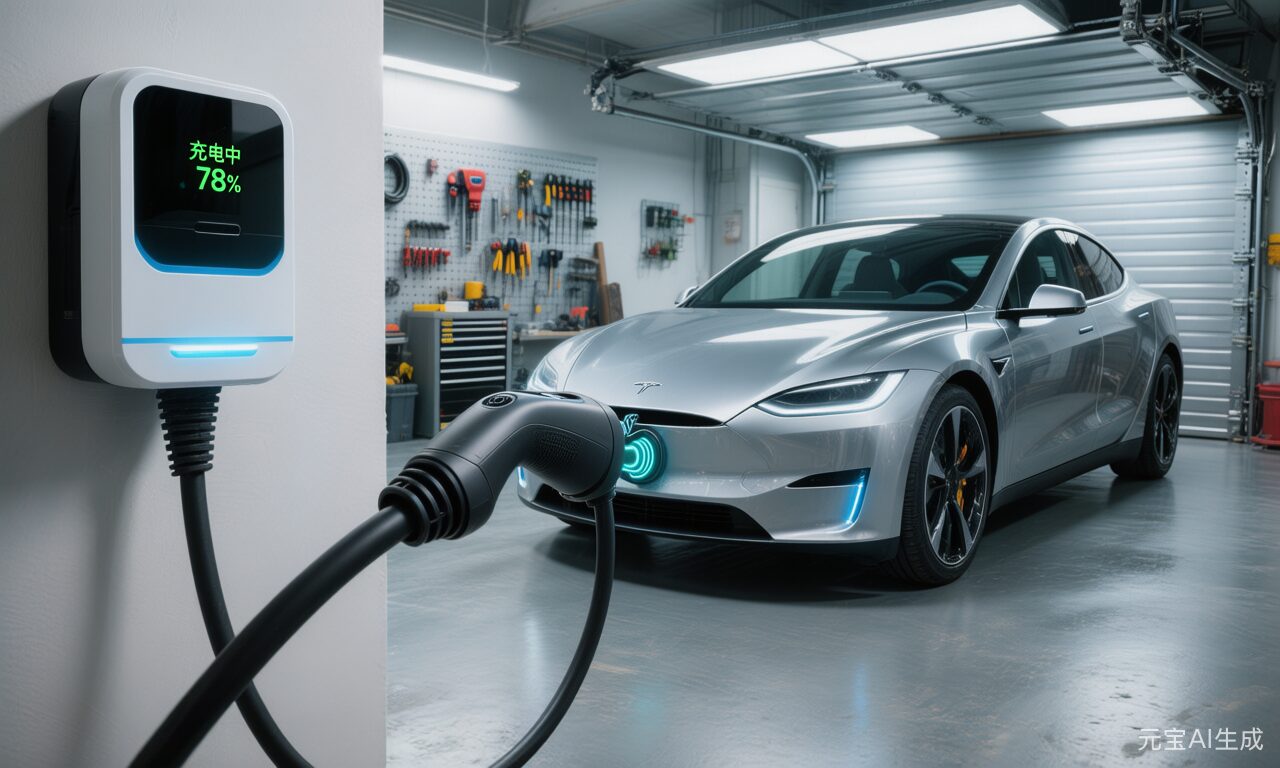
A Level 2 EV charger uses 240V AC power and provides significantly faster charging than a standard household outlet. It is the most common solution for home, workplace, and destination charging.
| Charging Level | Power Source | Typical Use Case | Charging Speed |
|---|---|---|---|
| Level 1 | 120V AC outlet | Basic home charging | 3–5 miles per hour |
| Level 2 | 240V AC | Home, workplace, public AC | 20–40 miles per hour |
| Level 3 (DC Fast) | High-voltage DC | Highway and commercial stations | 100–300+ miles per hour |
Yes. In North America, 240V AC charging is classified as Level 2 charging.
Yes. Type 2 connectors are AC-only. DC charging uses CCS connectors that extend Type 2 with DC pins.
There is no official Level 4 EV charger. The term is sometimes used informally to describe ultra-fast DC chargers, but these are still classified as Level 3.
Tesla offers both:
You may not need one if your daily driving is low and Level 1 charging meets your needs. However, most EV owners prefer Level 2 charging for faster overnight charging and flexibility.
Yes. A 32A–40A Level 2 charger is sufficient for most home charging scenarios.
Yes. Level 2 charging—especially at home—is almost always cheaper per kWh than Level 3 DC fast charging.
Level 2 charging is typically 5 to 8 times faster than Level 1 charging.
Many homes can handle Level 2 charging without upgrades. A licensed electrician can confirm capacity through a load calculation.
Occasional Level 3 charging is safe, but frequent DC fast charging may increase long-term battery wear. Manufacturers recommend Level 1 or Level 2 charging for daily use.
No. Level 3 chargers require industrial electrical service and are not suitable for residential installation.
| EV Charger Output | Required Breaker |
|---|---|
| 32A | 40A double-pole breaker |
| 40A | 50A double-pole breaker |
| 48A | 60A double-pole breaker |
In most cases:
A Level 2 charger typically adds:
Lorem Ipsum is simply dummy text of the printing and typesetting industry
Complete guide to EV charger load management: dynamic load balancing, power sharing, static allocation. Wallbox, Autel, Emporia. Avoid panel upgrades...
Best Level 1 EV chargers for 120V outlet charging. Lectron dual-voltage, Tesla Mobile Connector, Emporia. Tips, costs, safety, when to...
Complete guide to scheduling EV charging: TOU rates, smart charger apps, solar surplus charging, cost savings calculator. Emporia, Wallbox, ChargePoint...




