
Design Considerations for Electric Vehicle Chargepoints
The UK government’s design guidance (published 25 March 2022) sets out practical recommendations for organisations installing EV chargepoints to improve ease-of-use, accessibility, and overall customer experience—while respecting the surrounding environment and reducing long-term operational friction.
Why design matters for EV charging
EV infrastructure is not only a technical deployment problem—it is a product and service experience. Chargepoints that are difficult to find, confusing to operate, or unreliable erode user confidence and slow adoption. The UK’s design approach is explicitly user-centric, prioritising inclusivity, accessibility, and a positive experience for both drivers and nearby pedestrians.
Design considerations (practical checklist)
1) Recognisability & user interfaces
- Visual status: clearly signal availability/operational state, while considering the local environment (avoid light pollution for residents, businesses, and wildlife).
- Online status: make operational status and availability accessible remotely.
- Information: provide clear, accessible details (e.g., charging speed) readable in different weather and lighting conditions.
- User guidance: publish step-by-step instructions for starting and paying for charging.
- Feedback prompts: use visual and audible cues for payment acceptance, session start, progress, and completion.
Implementation tip: treat the screen/UI as a safety-critical interface—high contrast, large type, and minimal steps.
2) Paying for charging
- Payment options: enable easy payment including non-proprietary, non-smartphone payment, with additional options as appropriate.
- Price information: use a simple pricing unit consistent with the wider market (e.g., pence/kWh). Clearly identify costs where charging is bundled with parking or other services.
- Open access: support ad-hoc access without requiring subscription or network registration.
Operator insight: “guest checkout” is not optional if you want broad adoption—especially for visitors and occasional users.
3) Cable & socket management
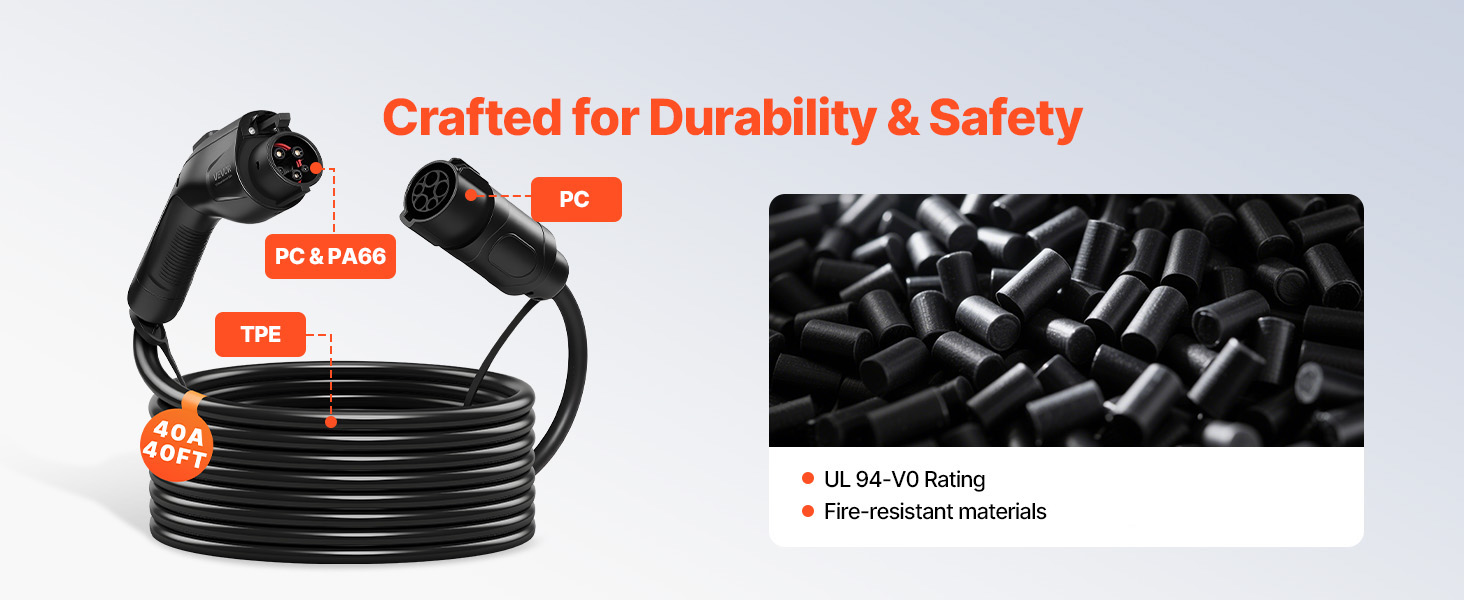
- Tethered vs untethered: tethered cables can improve ease-of-use but are not suitable everywhere.
- Hybrid approach: consider providing a socket in addition to a tethered cable so users can use their own cables.
- Low-profile installs: for lamppost-style chargepoints, sockets alone may be more appropriate.
- Cable storage: implement cable management (e.g., retracting/protective systems) to prevent trip hazards and reduce vandalism.
Field reality: the “last metre” matters—most wear, weather exposure, and damage happens at the cable/connector end.
4) Accessible design
- Cables and sockets: ensure an ergonomic plug handle and minimise resistance when extending/manoeuvring cables.
- Cable length: provide sufficient length to reach varying socket locations across vehicle models.
- Height and location: ensure the chargepoint, cable, socket, and information are accessible for diverse users, including wheelchair users.
- Safety in use: provide sufficient space to accommodate different vehicles and mobility needs.
- Night design: support safe navigation at night by illuminating the chargepoint and surrounding area.
Practical heuristic: if a user cannot operate it one-handed (where reasonable), it will fail accessibility in real-world conditions.
5) Production, maintenance & end-of-life
- Sourcing and processes: certify that suppliers use environmentally conscious and ethical approaches to materials and manufacturing.
- Maintenance and repair: design for routine maintenance with minimal non-standard training and tooling to increase uptime and reduce costs.
- Reliability: target a minimum of 99% chargepoint uptime per annum to build user confidence.
- Upgrades: modular designs and upgradeability extend usable life.
- Reuse and recycling: consider end-of-life pathways to maximise environmental benefit.
Asset-management view: modularity is a commercial feature—spares strategy, swap time, and field repairability drive lifetime TCO.
6) Installation & setting
- Disruption: reduce disruption to the surrounding environment during installation wherever possible.
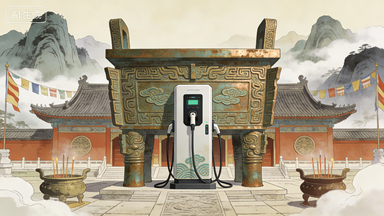
- Adaptable design: allow aesthetic variations so chargepoints can be deployed in different contexts, including distinct or historic environments.
- Branding: enable operators to configure design elements to represent their brand.
Local-authority note: aesthetic adaptability can be the difference between swift approval and prolonged stakeholder objections.
EV Charger Experts: how we apply this guidance in real projects
In practice, we recommend turning these principles into an install-ready “definition of done”: a site walkthrough checklist (findability, signage, lighting), a payment acceptance test (guest flow, price transparency), an accessibility test (reach, cable handling, wheelchair clearance), and an operational plan (spares, monitoring, maintenance windows) aimed at sustaining ≥99% uptime.