What Is the Meaning of an EV Charger?

An EV charger is a device that supplies controlled electrical power to recharge an electric vehicle’s battery. It regulates voltage, current, and communication signals to ensure that the vehicle charges safely, efficiently, and according to the battery’s requirements.

In simple terms: An EV charger is the essential bridge between the electric grid and your EV’s battery — managing the flow of electricity so your vehicle can charge safely and effectively.

How an EV Charger Works

All EV chargers perform three main functions:

  • Power Conversion: Managing voltage and current delivery to match battery needs.
  • Safety Protection: Overcurrent, overheating, grounding protection, and fault detection.
  • Communication: EV and charger exchange signals to start, stop, or adjust charging.

Without these safety and communication protocols, charging would be unsafe and potentially damaging to the battery or home electrical system.

Main Types of EV Chargers

🔌 Level 1 — Standard Household Charging (120V)

  • Slowest option, adds 3–5 miles of range per hour
  • Best for plug-in hybrids or overnight charging
  • Requires only a typical 120V outlet

⚡ Level 2 — Home & Public AC Charging (240V)

  • The most recommended home charging method
  • Adds 20–45 miles of range per hour depending on amperage
  • Requires a 240V outlet (NEMA 14-50, 6-20, etc.) or hardwiring
  • Compatible with most EVs through J1772 or NACS

🚀 Level 3 — DC Fast Charging

  • Rapid charging used on highways
  • Can charge 20–80% in ~20–30 minutes
  • Not suitable for home installation

What Makes a Good Home EV Charger?

When choosing a home EV charger, consider:

  • Amperage (32A / 40A / 48A): Higher amps = faster charging
  • Compatibility: J1772 for most EVs, NACS for Tesla
  • Smart Features: WiFi, app control, scheduling, energy tracking
  • Safety Certifications: UL / ETL / Energy Star
  • Cable Length: 20–25 ft gives maximum parking flexibility
  • Installation Type: Plug-in vs hardwired

Practical Charging Tips for EV Owners

  • Charge during off-peak hours to save on electricity costs.
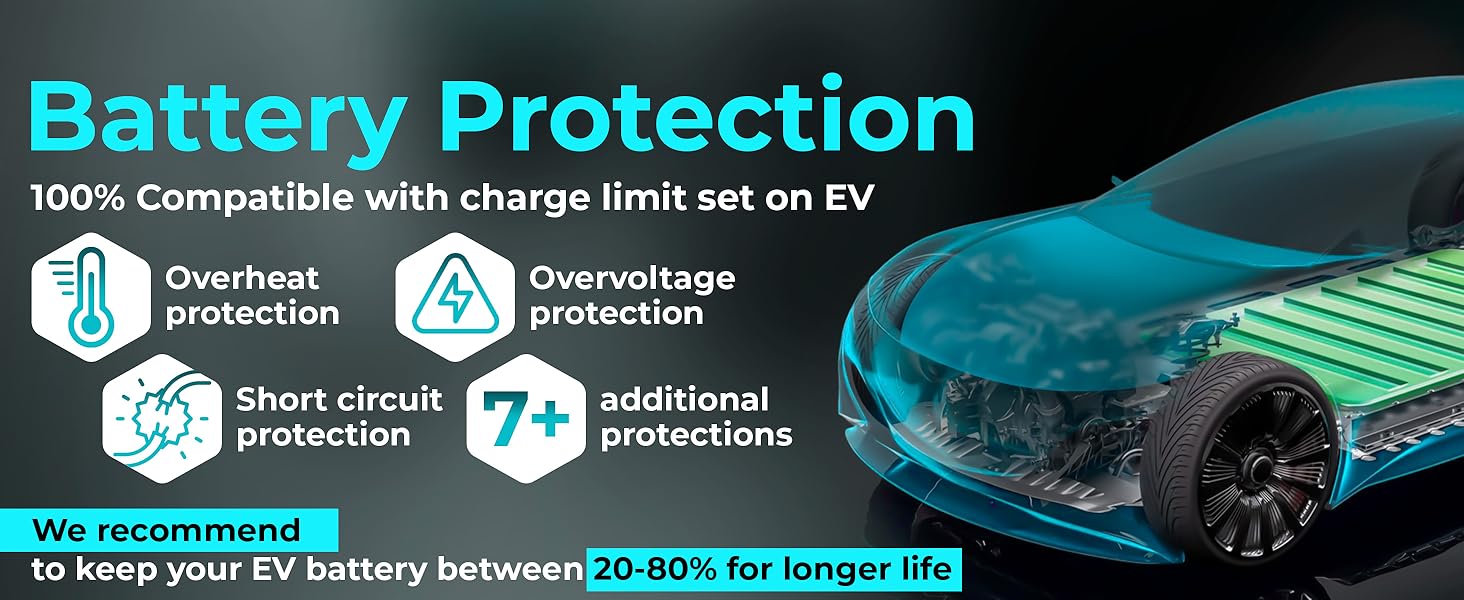
  • Set charging limits (80–90%) to prolong battery health.
  • Use a charger with temperature and surge protection.
  • Install a dedicated 240V circuit to avoid overload.
  • Keep cables organized and avoid using cheap extension cords.
  • If renting or moving often, consider a portable Level 1/2 charger.

Recommended EV Charger to Get Started

Looking for a reliable EV charger that works with most vehicles? Here is a highly rated option to begin with:

🔗 View Recommended EV Charger on Amazon

Summary

An EV charger is the essential device that controls and delivers electricity to your EV’s battery. Choosing the right charger improves safety, reduces charging time, protects your battery, and enhances your daily driving experience. Understanding charger levels, compatibility, and features will help you build a convenient and efficient home charging setup.

Leave a Reply

Your email address will not be published. Required fields are marked *

Related Blogs

Lorem Ipsum is simply dummy text of the printing and typesetting industry

2026 Rivian R2 & R3 Charging Guide: Best Home Chargers & Adapters

2026 Rivian R2 & R3 Home Charging Guide: Everything You Need to Know Affiliate Disclosure: EVChargerExperts is supported by its...

2026 Rivian R2 & R3 Home Charging Guide

# 2026 Rivian R2 & R3 Home Charging Guide: Everything You Need to Know *Affiliate Disclosure: EVChargerExperts is supported by...

2026 Ultimate Guide to Vehicle-to-Home (V2H) Powering: Home Backup Solutions

*Affiliate Disclosure: EVChargerExperts is supported by its audience. When you buy through links on our site, we may earn an...
