
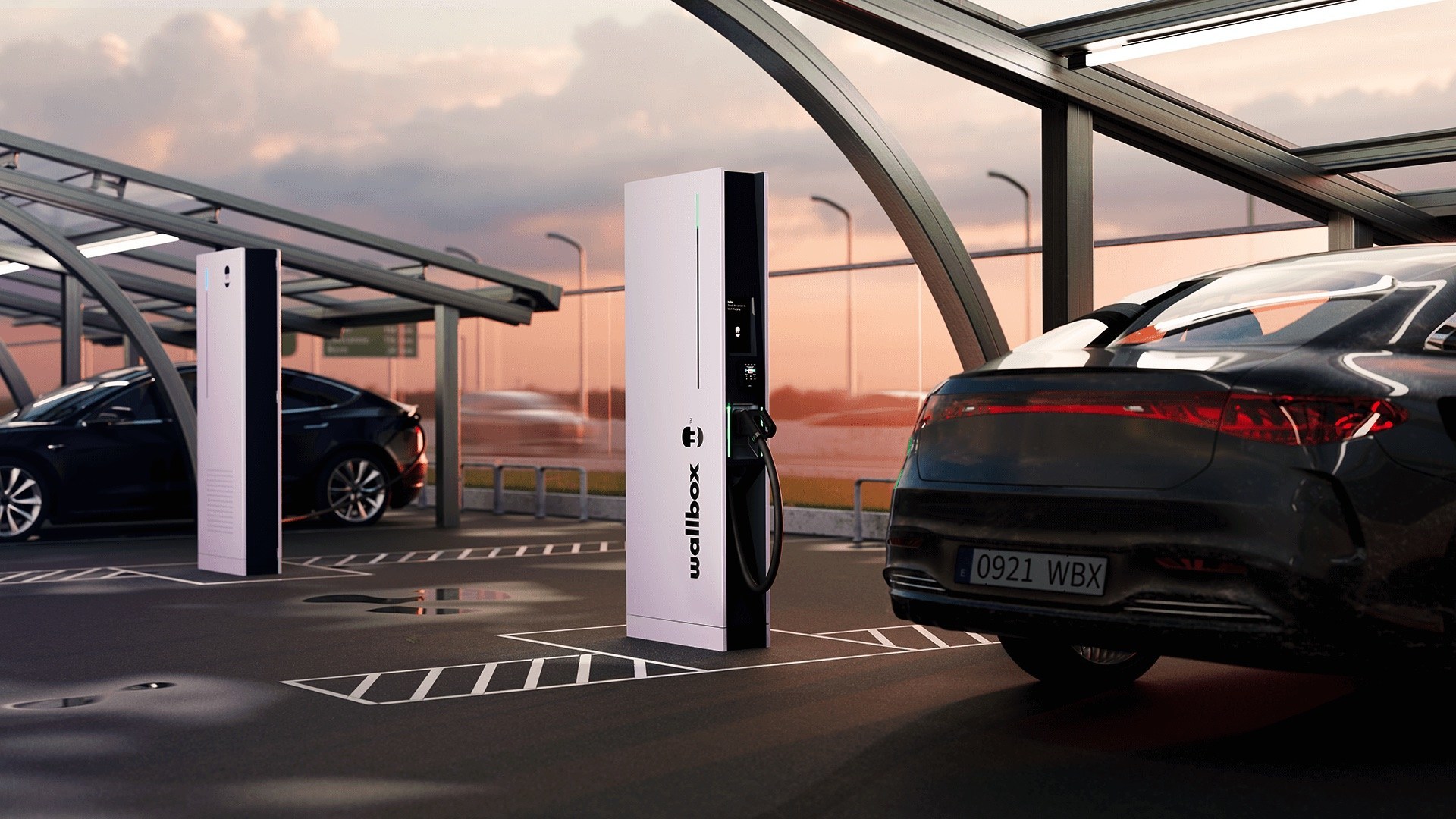
The rapid global adoption of electric vehicles (EVs) has elevated the electric vehicle charger—also referred to as an electric car charger, EV charger, EVSE (Electric Vehicle Supply Equipment), or charging station—from a peripheral accessory to a core component of modern transportation infrastructure. This article provides a structured, technically grounded overview of EV charging systems, covering terminology, system architecture, charging levels, electrical characteristics, safety considerations, performance determinants, and deployment scenarios. The objective is to offer a reference-style, evidence-based knowledge post suitable for professionals, researchers, and informed consumers.


1. Terminology and Conceptual Framework

Although commonly used interchangeably in marketing and casual discourse, several terms have precise technical meanings:

  • Electric Vehicle Charger / Electric Car Charger
    A general term describing the system that delivers electrical energy from the grid to an EV.
  • EVSE (Electric Vehicle Supply Equipment)
    The technically correct term for most AC charging equipment. EVSE does not “charge” the battery directly; instead, it supplies controlled AC power and communicates safety and current limits to the vehicle’s onboard charger.
  • Charging Station / EV Charging Station
    A broader infrastructure term that may include one or more EVSE units, power electronics, metering, network connectivity, and physical protection.
  • EV Charging
    The overall process of transferring energy from the electrical grid to the vehicle battery, including power conversion, control, and battery management.

Understanding these distinctions is critical when evaluating specifications, compliance requirements, and performance claims.


2. System Architecture of EV Charging

An EV charging system can be divided into four functional layers:

  1. Grid Interface
    Includes utility supply, service entrance, circuit protection, and in some cases transformers or load management devices.
  2. EVSE or Charger Hardware
    • AC EVSE: Provides power, grounding, pilot signaling, and safety interlocks.
    • DC Chargers: Contain high-power rectifiers and deliver DC directly to the battery.
  3. Communication and Control
    Pilot signals (for AC), digital communication protocols, current negotiation, fault detection, and optional smart features such as Wi-Fi, Ethernet, or cellular connectivity.
  4. Vehicle Onboard Systems
    The onboard charger (for AC charging) and the battery management system (BMS), which controls charging rates, temperature, and state of charge.

3. Charging Levels and Power Characteristics

3.1 Level 1 Charging

  • Supply: Typically 120 V AC (single-phase)
  • Power Range: ~1–2 kW
  • Use Case: Occasional or emergency charging, low daily mileage
  • Limitations: Very long charging times

3.2 Level 2 Charging

  • Supply: Typically 208–240 V AC
  • Power Range: ~3.3–19.2 kW (residential commonly 7–11 kW)
  • Use Case: Home charging, workplaces, public destinations
  • Advantages: Balance between speed, cost, and grid impact

3.3 DC Fast Charging (DCFC)

  • Supply: High-voltage DC
  • Power Range: ~25 kW to 350+ kW
  • Use Case: Highway corridors, fleet depots, rapid turnaround scenarios
  • Constraints: High infrastructure cost, thermal and battery stress considerations

4. Electrical Safety and Compliance Considerations

Safety is a foundational requirement for any vehicle charger or charging station. Key technical measures include:

  • Ground Fault Protection to prevent electric shock
  • Overcurrent and Overvoltage Protection for both equipment and vehicle
  • Pilot Signal Verification to ensure proper connection before energizing
  • Environmental Protection (ingress protection ratings) for outdoor installations

In most regulated markets, EVSE must be tested and certified against recognized electrical safety standards and installed in accordance with national and local electrical codes. These requirements are not merely formalities; they directly affect insurability, inspection approval, and long-term reliability.


5. Determinants of Charging Performance

Charging speed is often misunderstood as being defined solely by the charger’s rated power. In practice, it is constrained by multiple interacting factors:

  • Vehicle Onboard Charger Capacity (for AC charging)
  • Battery State of Charge (charging slows as the battery fills)
  • Battery Temperature and Thermal Management
  • Grid Supply Limitations and circuit capacity
  • EVSE Current Settings and Load Sharing

As a result, two vehicles connected to the same EVSE may experience significantly different charging rates.


6. Smart Charging and Networked Charging Stations

Modern EV charging stations increasingly integrate software-driven features:

  • Dynamic Load Management to prevent overload in residential or commercial settings
  • Time-of-Use Optimization aligned with electricity pricing
  • Remote Monitoring and Diagnostics
  • User Authentication and Energy Metering

From an infrastructure perspective, smart charging is a critical tool for scaling EV adoption without proportionally increasing peak grid demand.


7. Deployment Scenarios

7.1 Residential Charging

Home EV chargers prioritize reliability, electrical compatibility, and long-term safety. Installation quality and circuit design are often more important than maximum power rating.

7.2 Commercial and Workplace Charging

Here, utilization rates, user access control, and load balancing are central considerations. Charging stations are often deployed as part of broader energy management strategies.

7.3 Public and Fleet Charging

Public EV charging stations and fleet depots emphasize uptime, robustness, and predictable performance. DC fast charging is common, but AC EVSE remains widely used for long-dwell applications.


8. Conclusion

Electric vehicle chargers—whether described as EV chargers, electric car chargers, EVSE, or charging stations—are complex electro-technical systems at the intersection of power engineering, digital communication, and transportation. Their performance and safety are determined not only by nominal power ratings, but by system architecture, standards compliance, vehicle compatibility, and operational context.

As EV adoption accelerates, a clear technical understanding of EV charging is essential for informed decision-making, infrastructure planning, and policy development. Treating EV charging equipment as critical electrical infrastructure rather than a consumer gadget is key to building a safe, scalable, and resilient electric mobility ecosystem.

Leave a Reply

Your email address will not be published. Required fields are marked *

Related Blogs

Lorem Ipsum is simply dummy text of the printing and typesetting industry

EV Charging Decisions and Infrastructure Reality: MG Charge (India), State Deplo …

EV Charging Decisions and Infrastructure Reality: MG Charge (India), State Deployment Barriers, Texas Connector Policy, Robotics, Reliability, Roaming in Europe,...

EV Charger Installation & Charging Strategy Guide (West Midlands, Birmingham …

EV Charger Installation & Charging Strategy Guide (West Midlands, Birmingham & Beyond): Costs, Timelines, Grants, Cybersecurity, Solar, and Buying Advice...

EV Charging in Practice: Public Charging Costs, Best Home Chargers (London), Ins …

EV Charging in Practice: Public Charging Costs, Best Home Chargers (London), Installation Reality (Kansas City), Malaysia Buying Options, and Solar...
