
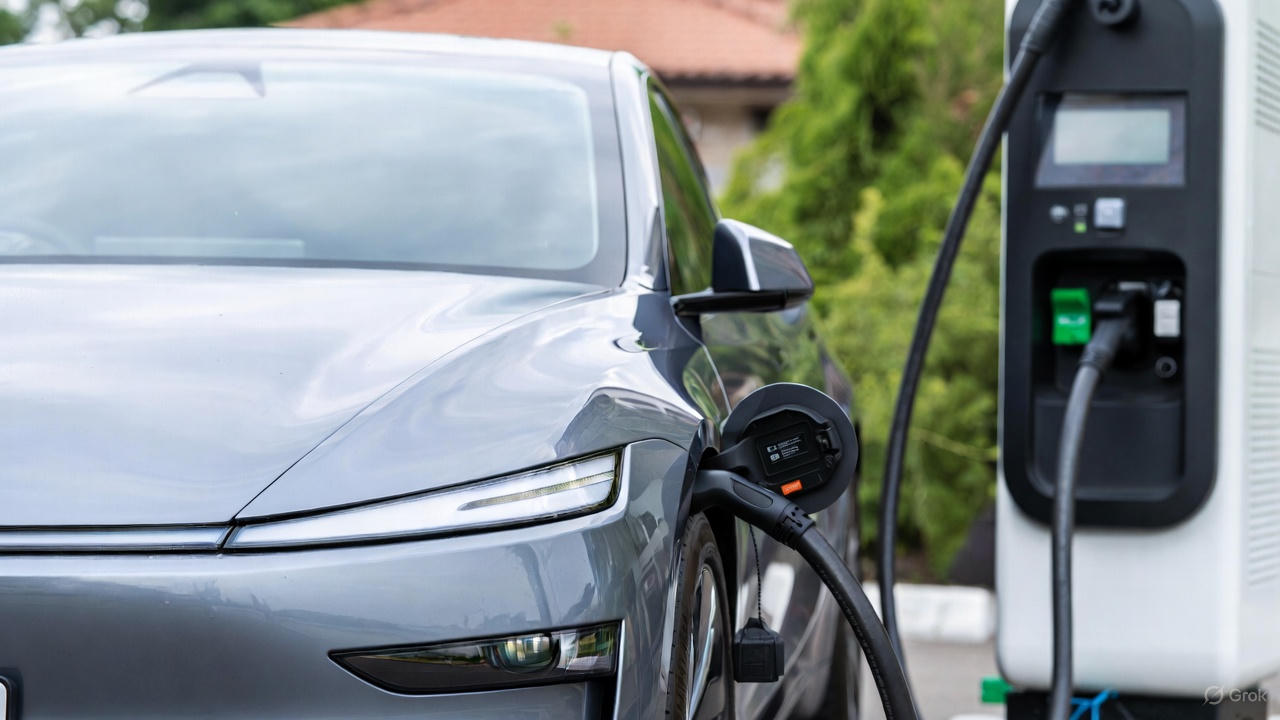
A neutral, educational overview of ENERGY STAR® certification for EV chargers and how manufacturers typically approach the process.
ENERGY STAR® is a voluntary energy efficiency labeling program that identifies products meeting defined performance and efficiency criteria.
For electric vehicle supply equipment (EVSE), ENERGY STAR certification is intended to help distinguish chargers that meet specific energy efficiency and performance benchmarks during operation and standby.
Energy efficiency is an increasingly important consideration for EV charging infrastructure, particularly for public and commercial installations that operate continuously.
ENERGY STAR–certified EVSE may help:
Manufacturers seeking ENERGY STAR certification for EVSE typically follow a structured, third-party verification process.
Manufacturers generally begin by enrolling as ENERGY STAR partners and agreeing to program participation terms.
EV chargers are tested against ENERGY STAR performance specifications by laboratories recognized for EVSE testing.
Testing focuses on:
After testing, results are reviewed by an independent certification body. If the product meets all applicable criteria, it may be certified and listed as an ENERGY STAR–qualified product.
ENERGY STAR EVSE certification relies on independent testing laboratories and certification bodies recognized for this product category.
These organizations operate globally and provide:
Manufacturers typically select a laboratory and certification body based on product type, region, testing capacity, and internal timelines.
Manufacturers are responsible for all costs associated with:
Certification costs vary by certification body and testing scope. Pricing is determined by the service provider rather than by the ENERGY STAR program itself.
Once a product is certified, it may appear in public ENERGY STAR product listings used by purchasers, utilities, and program administrators to identify qualified EV charging equipment.
Manufacturers are expected to maintain compliance over time and notify certification bodies of any material product changes.
Summary:
ENERGY STAR certification provides a recognized benchmark for energy efficiency
in electric vehicle charging equipment. While voluntary, it is widely referenced
in procurement and infrastructure planning contexts. Manufacturers that understand
the certification process early can better align product development, compliance,
and market expectations.
Lorem Ipsum is simply dummy text of the printing and typesetting industry
2026 Rivian R2 & R3 Home Charging Guide: Everything You Need to Know Affiliate Disclosure: EVChargerExperts is supported by its...
# 2026 Rivian R2 & R3 Home Charging Guide: Everything You Need to Know *Affiliate Disclosure: EVChargerExperts is supported by...
*Affiliate Disclosure: EVChargerExperts is supported by its audience. When you buy through links on our site, we may earn an...




