A professional guide to J1772, NACS (Tesla), and Type 2 EV chargers
Electric vehicle charging is not defined solely by charging level (Level 1, Level 2, or DC fast charging). An equally critical dimension is the connector and standard used to physically and electrically interface between the charging station and the vehicle.
This article provides a structured, technically accurate explanation of the three most important AC charging connector standards worldwide: J1772, NACS / Tesla, and Type 2 (European standard).
J1772, formally known as SAE J1772, is the dominant AC charging connector standard in North America for non-Tesla electric vehicles. It is widely used for Level 1 and Level 2 EV charging.
Common search variants include:
All of these refer to the same physical and electrical standard.
J1772 does not support DC fast charging in its base form. For DC charging, vehicles use a combined connector variant (commonly known as CCS), which builds on the J1772 AC interface.
J1772 became the default standard due to:
As a result, a J1772 EV charger is considered the safest choice for mixed-vehicle environments such as homes with multiple EV brands, workplaces, and public charging locations.
Yes. A J1772 Level 2 charger is the most common solution for residential charging in North America. Vehicles determine how much power they can accept, making the system inherently adaptable and safe.
NACS (North American Charging Standard) is the charging connector originally developed by Tesla. It supports both AC Level 2 charging and DC fast charging using a single, compact connector design.
Common related search terms include:
The Tesla Wall Connector is a dedicated Level 2 Tesla charger designed for home and commercial installation. Variants include:
These products are optimized for Tesla vehicles but increasingly designed with cross-brand use in mind.
From a technical perspective:
Historically, NACS was proprietary. However, it is now being adopted more broadly across the North American market, signaling a shift toward connector consolidation.
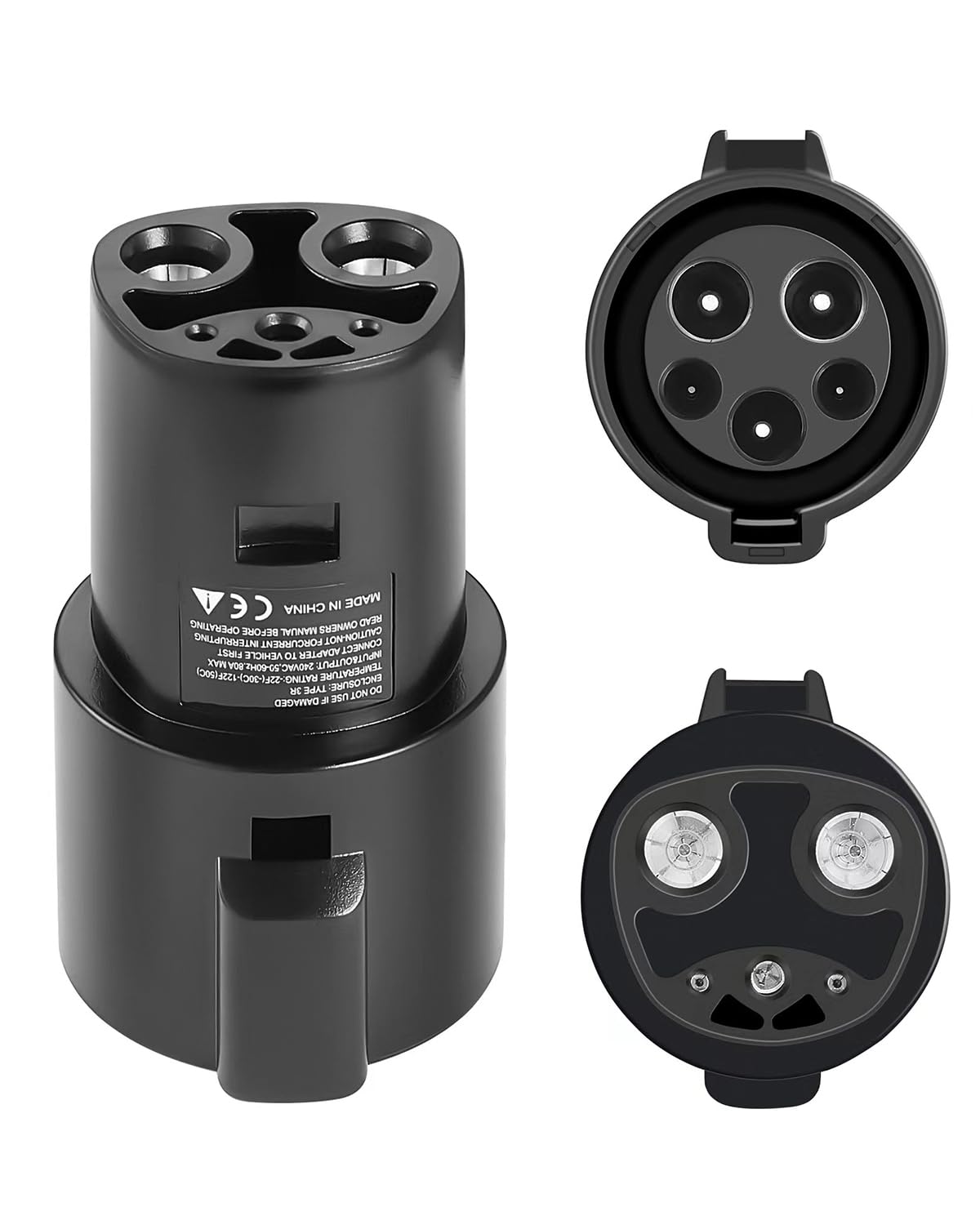
Yes. Tesla vehicles can charge from J1772 EV chargers using an adapter. This enables Tesla drivers to access the vast installed base of J1772 Level 2 chargers in homes and public locations.
The Type 2 EV charger, often referred to as the European EV charger, is the standard AC charging connector across most of Europe and many other international markets.
It is commonly searched as:
Type 2 connectors are defined by the IEC standard and are sometimes called Mennekes connectors. They are the default interface for AC charging infrastructure in Europe.
This allows Type 2 EV chargers to deliver higher AC power than typical North American Level 2 systems, depending on grid availability.
Like J1772, the Type 2 connector itself is AC-only.
For DC fast charging in Europe, the Combined Charging System (CCS Type 2) is used, which integrates DC pins below the Type 2 interface.
| Connector | Region | AC Charging | DC Charging | Typical Use |
|---|---|---|---|---|
| J1772 / SAE J1772 | North America | Level 1 & Level 2 | No (AC only) | Home, public AC |
| NACS / Tesla | North America | Level 2 | Yes | Tesla home & fast charging |
| Type 2 | Europe / Global | Single & three-phase AC | No (AC only) | European AC charging |
Understanding connector standards—J1772, NACS, and Type 2—is essential for making informed decisions about EV charging equipment, infrastructure planning, and long-term compatibility. As electric vehicle adoption accelerates globally, connector interoperability and standardization will continue to shape the future of EV charging.
Lorem Ipsum is simply dummy text of the printing and typesetting industry
2026 Rivian R2 & R3 Home Charging Guide: Everything You Need to Know Affiliate Disclosure: EVChargerExperts is supported by its...
# 2026 Rivian R2 & R3 Home Charging Guide: Everything You Need to Know *Affiliate Disclosure: EVChargerExperts is supported by...
*Affiliate Disclosure: EVChargerExperts is supported by its audience. When you buy through links on our site, we may earn an...




