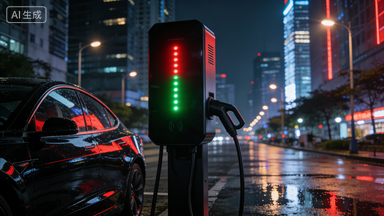
Most failures are not hardware defects but operational issues: poor maintenance, outdated firmware, damaged cables, vandalism, harsh weather exposure, or unstable grid connections. Public chargers experience far more wear than home units.
Tesla Supercharger issues can be reported directly through the Tesla vehicle touchscreen or Tesla mobile app. Tesla monitors charger health remotely, so many faults are detected automatically without user reporting.
Frequency varies by network. DC fast chargers in high-traffic areas see higher failure rates, while well-managed Level 2 networks are generally reliable. Industry surveys suggest 10–20% of public chargers may be temporarily unavailable.
Common signs include error messages, flashing red lights, failure to initiate a charging session, unexpected session termination, or inability to authenticate via app or RFID card.
Drivers report issues such as cables that won’t latch, chargers showing as “available” but failing to start, slow charging speeds, or chargers offline due to network connectivity problems.
Causes include incompatible connectors, vehicle charge limits set too low, a tripped breaker, charging schedule conflicts, dirty or damaged pins, software handshake failures, or grid voltage fluctuations.
For JuiceBox chargers, common steps include power-cycling the unit, checking Wi-Fi connectivity, confirming firmware updates in the app, verifying breaker size, and ensuring no load-sharing limits are triggered. Persistent issues typically require Enel X support diagnostics.
Lorem Ipsum is simply dummy text of the printing and typesetting industry
2026 Rivian R2 & R3 Home Charging Guide: Everything You Need to Know Affiliate Disclosure: EVChargerExperts is supported by its...
# 2026 Rivian R2 & R3 Home Charging Guide: Everything You Need to Know *Affiliate Disclosure: EVChargerExperts is supported by...
*Affiliate Disclosure: EVChargerExperts is supported by its audience. When you buy through links on our site, we may earn an...




