EV Charging Problems & Challenges: Why Failures Happen and What You Should Know
Electric vehicle charging infrastructure is expanding rapidly, but reliability and user experience remain major industry challenges.
This detailed guide explains why EV charging stations fail, whether they get overloaded, and what disadvantages exist—from technical, operational, financial, and regulatory perspectives.
Why do electric vehicle charging stations fail so frequently?▸
EV charging stations fail for a combination of hardware, software, grid, maintenance, and user-related factors. Common failure reasons include:
1. Hardware Degradation & Environmental Exposure
- Fast chargers use high-power electronics (rectifiers, inverters, cooling systems) that operate under heavy load.
- Outdoor installations expose stations to heat, rain, dust, corrosion, vibration, and UV damage.
- Connectors and cables wear out over time from thousands of plug-unplug cycles.
- Liquid-cooled cables (for 350 kW+) introduce additional failure points.
2. Software & Network Issues
- OCPP server communication failures prevent sessions from starting.
- App-based authentication glitches (RFID/app/network downtime).
- Firmware bugs or untested updates causing station instability.
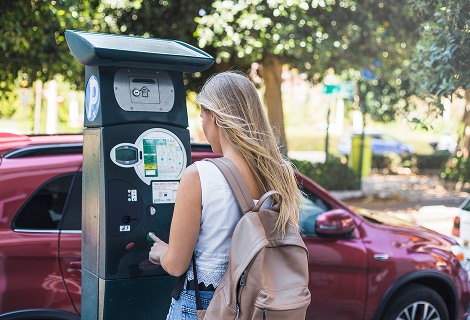
- Credit card terminal failures at public DC fast chargers.
3. Grid & Power Delivery Problems
- Undervoltage during peak load reduces reliability.
- Transformer overloads causing brownouts or shutdowns.
- Poor grounding or wiring faults in older facilities.
- Utility interruptions—public chargers depend entirely on grid uptime.
4. Poor Maintenance & Operational Neglect
- Many networks lack dedicated field technicians for rapid repair.
- Spare parts (contactors, boards, cable assemblies) often have long lead times.
- Operators may not monitor uptime metrics effectively.
- High-cost DC chargers are slower to repair due to complexity.
5. User-Induced Failures
- Damaged connectors from improper handling or forcing into ports.
- Vehicles with outdated firmware causing handshake errors.
- Users yanking or running over cables (common in busy stations).
Industry benchmark: A well-managed network targets uptime ≥ 97%, but many public networks operate between 80–90% uptime due to the factors above.
Do electric vehicle charging stations ever get overloaded?▸
Yes. Overloading occurs at the
grid level, station level, and circuit level, depending on the design:
1. Grid-Side Overload
- High demand periods can cause voltage sag or reduced charging power.
- Transformers feeding multiple chargers may exceed designed capacity.
- Rural or older grids may not support multiple fast chargers simultaneously.
2. Station Overload (Site Level)
- Many fast-charging sites share a central power cabinet.
- If multiple vehicles plug in at once, each charger may automatically throttle down.
- Peak holiday travel often results in queues and slower charging speeds.
3. Circuit-Level Overload (Home Charging)
- A Level 2 charger typically requires a dedicated 40A–60A circuit.
- If the home panel is undersized (e.g., older 100A panels), overload protection may trip breakers.
- Dynamic load management or smart chargers can mitigate risk.
Important: Overload rarely causes catastrophic failure due to strict electrical protection standards. Instead, the charger simply reduces power or stops temporarily.
What are the disadvantages of an electric vehicle charging station?▸
EV charging stations offer tremendous benefits — but they also present significant limitations, especially in early-stage infrastructure environments.
1. High Up-Front Cost
- DC fast chargers cost USD $40,000–$150,000 each before installation.
- Grid upgrades (transformers, switchgear, cabling) add substantial expense.
- Permitting, trenching, concrete work, networking, and labor can exceed hardware cost.
2. Ongoing Operating & Maintenance Costs
- Networks require 24/7 monitoring and service tech response.
- Cooling systems, contactors, and cables degrade quickly under high load.
- Software support, credit-card readers, and network fees stack up over time.
3. Dependency on Grid Robustness
- Blackouts or brownouts immediately halt charging operations.
- High peak-time electricity prices reduce operating margins.
- In many regions, utility upgrade timelines are long (6–18 months).
4. Limited Compatibility in Mixed Markets
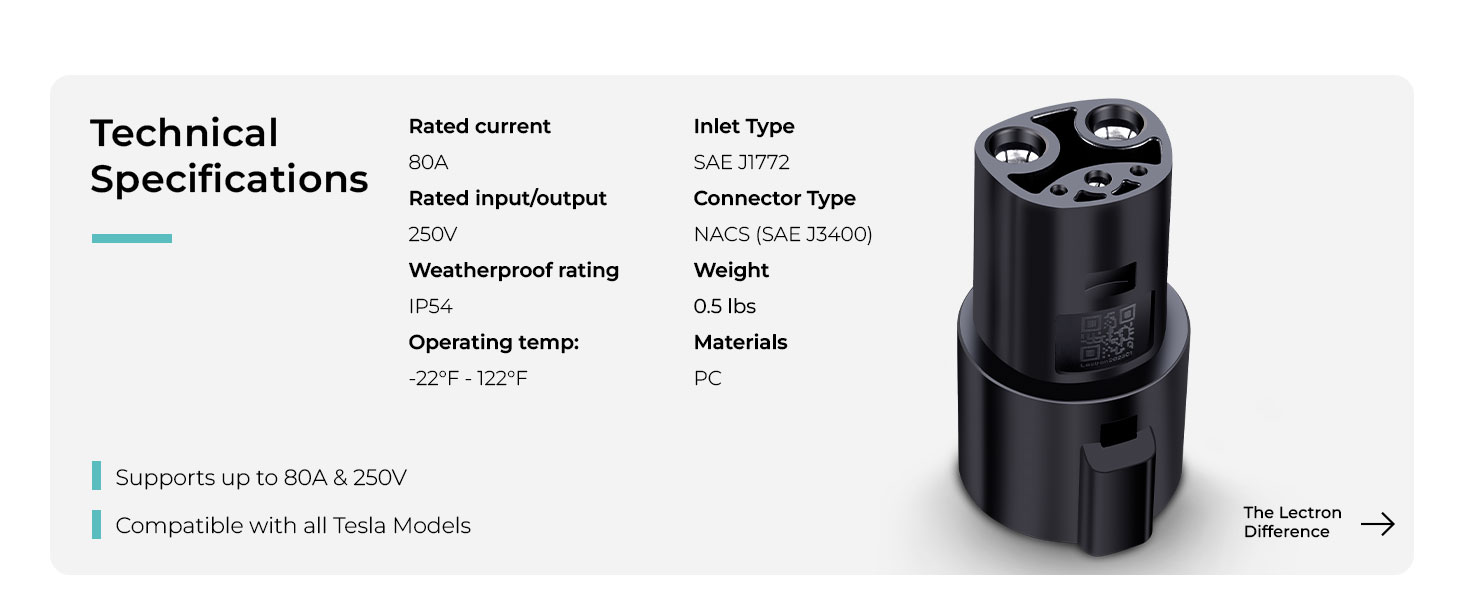
- Different connector standards (CCS, CHAdeMO, NACS, GB/T, Type 2) complicate deployment.
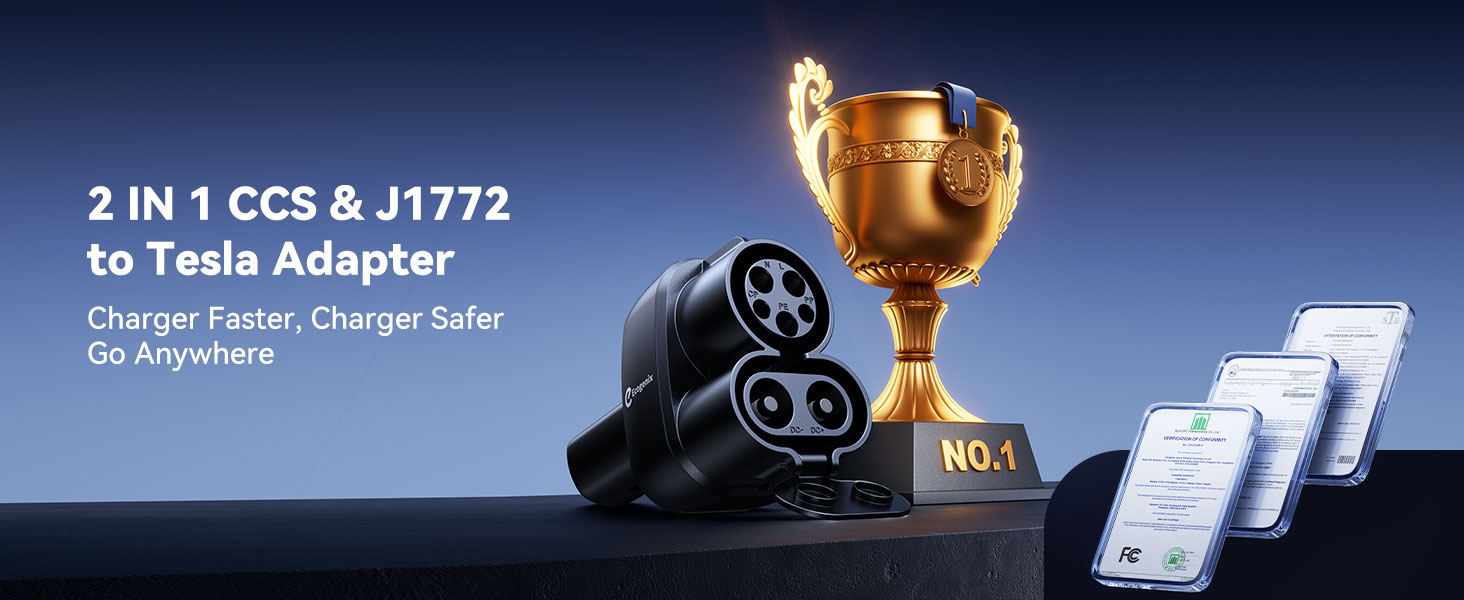
- Tesla’s shift to NACS means legacy J1772/CCS fleets require adapters.
- Firmware handshake issues between chargers and vehicles may reduce reliability.
5. Real Estate & Traffic Flow Constraints
- Sites require adequate parking, lighting, setbacks, and ADA compliance.
- High-traffic locations face congestion and queue management challenges.
- Retail sites must balance charger occupancy with customer parking needs.
6. Environmental & Weather Challenges
- Extreme heat reduces charger output and accelerates hardware aging.
- Snow and ice block access or damage cables.
- Flood-prone areas require elevated equipment and waterproof enclosures.
Summary: EV charging stations are vital infrastructure but require significant planning, investment, and maintenance to achieve reliability comparable to gasoline refueling networks.
See High-Reliability Home Chargers on Amazon →