EV Charging – Usage & User Experience Guide
A detailed, professional overview of real-world EV charging behavior, safety considerations, and operational best practices.
Answers reflect engineering standards, utility practices, and charging-station operational data.
Recommended Home Charger (Level 2, Fast & Reliable)
For consistent daily charging at home, a dedicated Level 2 EV charger significantly improves speed, stability, and long-term battery health.
Are EV chargers in your area generally full?
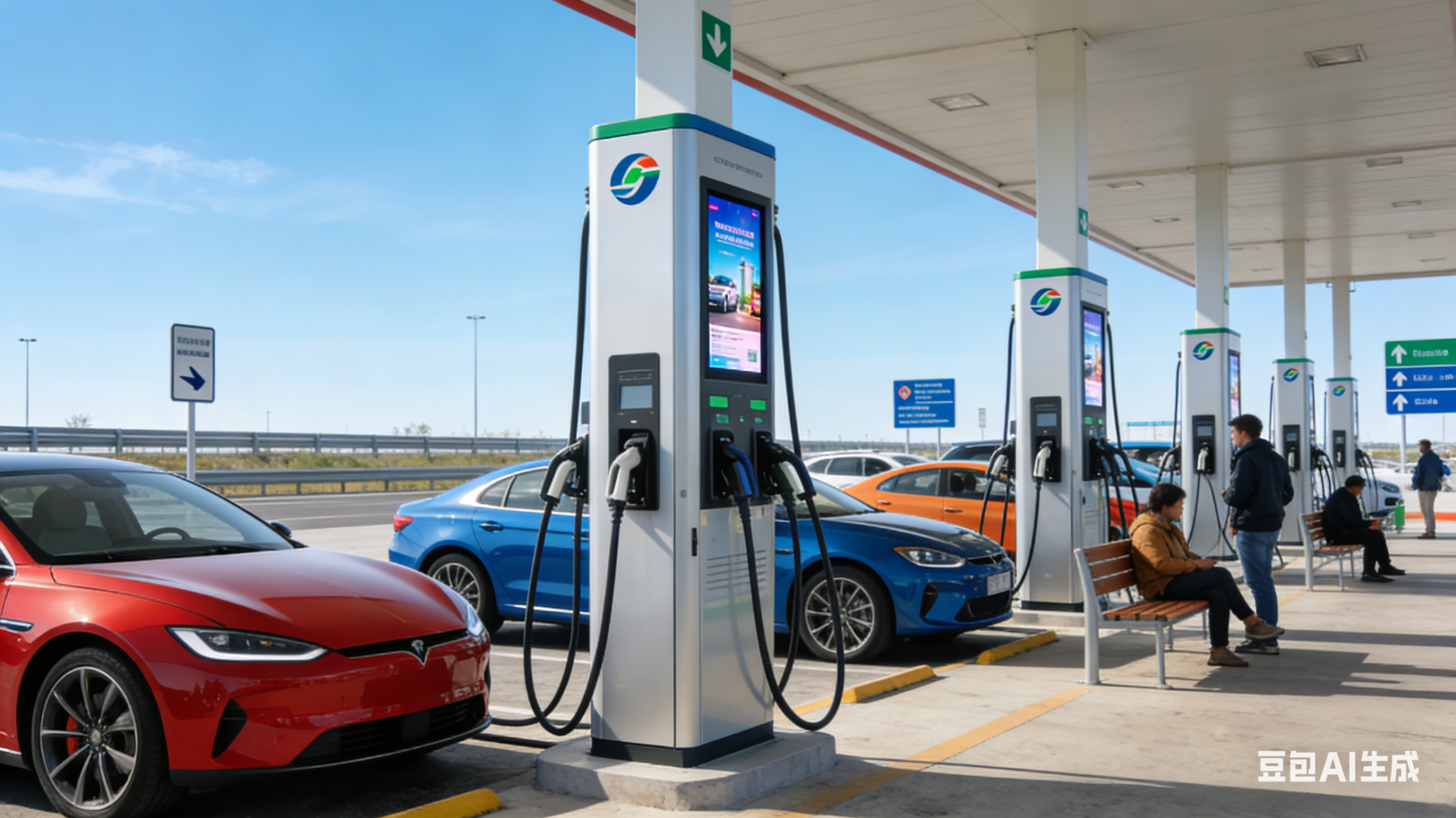
Availability varies by region. High-density metropolitan areas often experience peak-hour congestion, especially at DC fast chargers,
while suburban Level 2 chargers are rarely full. Utilization is strongly influenced by workplace EV adoption, fleet activity,
and the maturity of local charging infrastructure.
Do EV chargers turn off automatically?
Yes. All certified EVSE units follow SAE J1772 or NACS protocols, which automatically stop power delivery once:
• The battery reaches its target state of charge
• The vehicle requests termination
• A thermal or electrical fault is detected
Chargers are designed to be fail-safe and cannot overcharge lithium-ion EV batteries.
How often should EV chargers be replaced?
Residential EV chargers typically last 7–12 years. Replacement is recommended when:
• The internal relay wears out
• Cable insulation deteriorates
• New vehicle requirements exceed the charger’s output
Commercial units may require component-level servicing rather than complete replacement.
What are some apps for finding EV chargers?
Leading apps include:
• PlugShare (most comprehensive global map)
• ChargePoint
• Electrify America
• Tesla Supercharger map
• EVgo
These apps display real-time charger availability, pricing, power level, and user reviews.
Why do EV chargers stop at 80%?
At fast chargers, charging tapers rapidly after 80% to protect lithium-ion cell chemistry and prevent excessive heat generation.
This is a battery-management strategy used by all modern EVs to extend long-term battery health.
How do you stop an EV charger?
Charging can be stopped by:
• Pressing “Stop” in the vehicle
• Using the charging network app
• Holding the connector release button (Level 2)
Public fast chargers may require authentication before disconnecting, for safety reasons.
Can I use an extension cord with my EV charger?
No. Extension cords are not rated for continuous high-amperage loads and can cause overheating, voltage drop, or fire risk.
EV manufacturers and electricians recommend installing a dedicated 240V circuit instead.
For safe home charging, consider a certified Level 2 unit:
Recommended Charger →What should I be wary of when using EV chargers?
Key concerns include:
• Damaged cables
• Loose connectors
• Wet or corroded outlets
• Faulty ground detection
• Unauthorized apps or payment terminals
Always inspect equipment before charging and avoid units with visible damage.
Why do EV chargers get hot after use?
Mild warmth is normal due to continuous current flow.
Excessive heat, however, may indicate:
• Undersized wiring
• Poor ventilation
• A failing internal relay
• High ambient temperatures
Certified EVSE units include thermal shutdown mechanisms to prevent damage.
Are EV chargers weatherproof?
Most Level 2 chargers are NEMA 3R–NEMA 4 rated, meaning they withstand rain, snow, dust, and temperature extremes.
Weatherproofing does not mean “submersible”—avoid puddles and snowbanks covering the charge port.
Do EV chargers need ventilation?
Modern EVSE equipment is sealed and does not require dedicated ventilation.
However, chargers should be installed:
• Away from direct heat sources
• With cable room for safe bending
• In a location that avoids water accumulation
Battery gases are not produced during normal EV charging.