
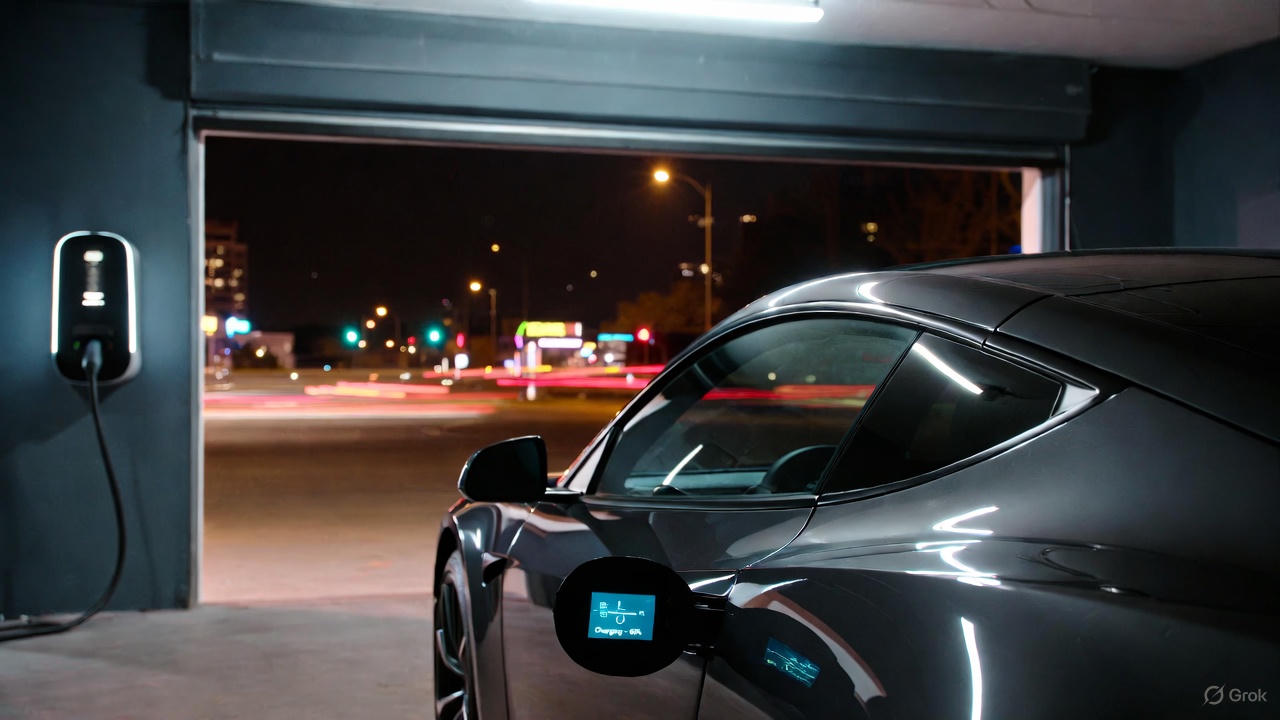
A structured approach to assessing demand, electrical capacity, site layout, and permitting for electric vehicle charging projects.
The first and most critical step in planning an electric vehicle (EV) charging installation is understanding the expected demand for charging at your property.
Demand assessment is particularly important for properties serving employees, residents, or guests, where charging needs may vary widely based on usage patterns and dwell time.
A common and effective approach is to distribute a survey to potential users, such as employees, residents, or frequent visitors. The goal is to estimate both current and future charging needs.
Understanding how many users will charge simultaneously—and for how long—helps determine both the number of chargers and the appropriate charger type.
Once potential demand is understood, the next step is evaluating whether the property’s existing electrical system can support the planned EV charging load.
This assessment should be completed with facilities staff, maintenance personnel, or a licensed electrician who is familiar with the property’s electrical infrastructure.
With this information, it becomes possible to determine whether there is sufficient excess capacity to support the planned EV charging demand.
If the property does not have adequate spare electrical capacity, there are two primary options:
Upgrading the main electrical service or switchgear may be appropriate as part of a broader building renovation or infrastructure upgrade.
While effective, this option can be costly and time-consuming.
An alternative approach is adding a new electrical service dedicated to EV charging.
Although electrical codes generally prefer a single service connection, exceptions exist under National Electrical Code (NEC) provisions for specific use cases.
Choosing the right physical location for EV chargers can greatly impact both installation cost and user satisfaction.
When EV chargers are available to the public, accessibility requirements must be considered. In the United States, these requirements are governed by the Americans with Disabilities Act (ADA).
In California and some other jurisdictions, additional building code provisions define specific requirements for EV-accessible and van-accessible charging spaces.
Most jurisdictions treat EV charger installations as standard electrical work. Permits are often approved quickly when applications are complete and accurate.
EV chargers are classified as continuous electrical loads, similar to HVAC or electric drying equipment. Inspections are focused primarily on safety and code compliance.
Working with qualified contractors and ensuring proper design documentation can significantly reduce permitting and inspection delays.
Final takeaway: Successful EV charger installations begin with careful planning—accurate demand assessment, realistic capacity evaluation, thoughtful site selection, and early coordination with utilities and permitting authorities.
Lorem Ipsum is simply dummy text of the printing and typesetting industry
2026 Rivian R2 & R3 Home Charging Guide: Everything You Need to Know Affiliate Disclosure: EVChargerExperts is supported by its...
# 2026 Rivian R2 & R3 Home Charging Guide: Everything You Need to Know *Affiliate Disclosure: EVChargerExperts is supported by...
*Affiliate Disclosure: EVChargerExperts is supported by its audience. When you buy through links on our site, we may earn an...




