The most reliable methods are mobile apps and in-car navigation. Apps like PlugShare, ChargePoint, Electrify America, and Google Maps show real-time availability, connector type, pricing, and user reviews. Most modern EVs also route directly to compatible chargers.
A fast charger typically refers to a DC fast charger (Level 3), delivering 50–350 kW. These chargers can add 80% battery capacity in 20–40 minutes, depending on vehicle limits. They are mainly used for highways and commercial locations, not homes.
No true Level 2 charging is possible without 240V. However, high-efficiency Level 1 chargers (120V) can be sufficient for low-mileage drivers, typically adding 3–6 miles of range per hour.
Only if the outlet, wiring, and breaker rating support the charger’s maximum current. Repeatedly swapping chargers is allowed, but simultaneous use or exceeding circuit limits is unsafe and not code-compliant.
Funding typically comes from government grants (federal, state, or local), utility rebates, workplace incentive programs, and private partnerships. In the U.S., NEVI and utility-run programs are the primary sources.
A cost-effective portable charger is usually a UL-certified Level 1/2 unit with a NEMA 14-50 or 5-15 plug, adjustable current, and basic safety protections. These balance price, safety, and flexibility for home and travel use.
Most EVs in North America use J1772 for AC charging. Tesla vehicles can use J1772 chargers with an adapter. DC fast charging compatibility depends on CCS, CHAdeMO, or NACS standards.
Studies consistently show that 15–25% of public chargers may be offline at any given time due to maintenance, network issues, or damage. Reliability varies significantly by operator and region.
Effective actions include contacting city council members, supporting sustainability plans, sharing EV adoption data, and encouraging local businesses to apply for charger incentives. Public demand strongly influences municipal charging investments.
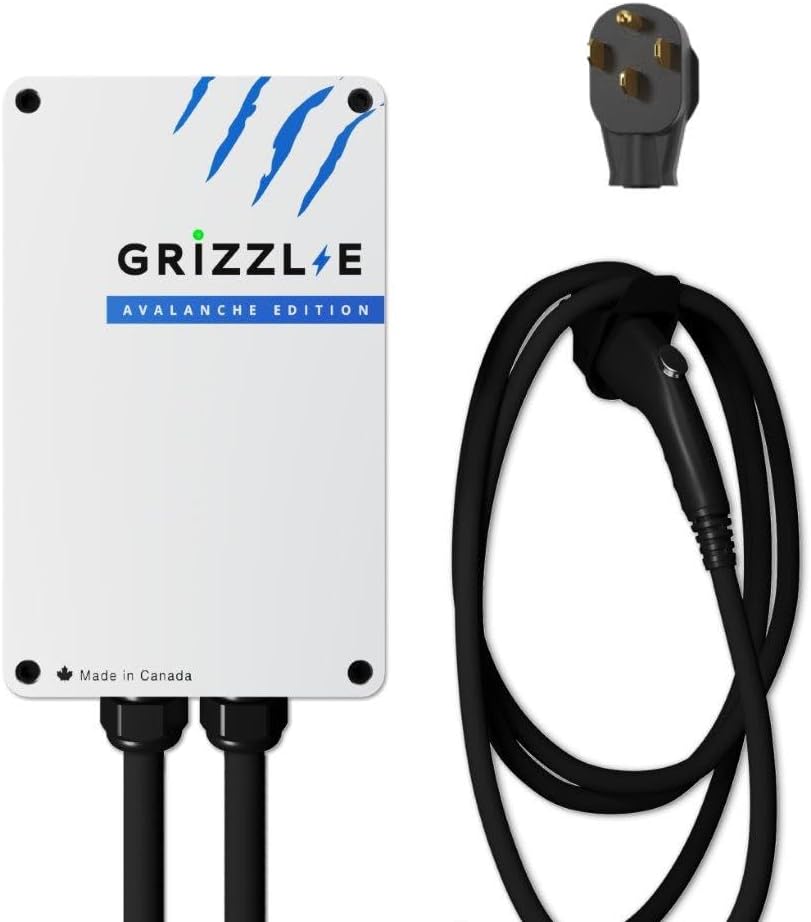
Grizzl-E Classic Level 2 EV Charger (40A) — UL-certified, indoor/outdoor rated, NEMA 14-50 plug, and compatible with all J1772 EVs (Tesla via adapter). Known for durability and simple installation.
Lorem Ipsum is simply dummy text of the printing and typesetting industry
2026 Rivian R2 & R3 Home Charging Guide: Everything You Need to Know Affiliate Disclosure: EVChargerExperts is supported by its...
# 2026 Rivian R2 & R3 Home Charging Guide: Everything You Need to Know *Affiliate Disclosure: EVChargerExperts is supported by...
*Affiliate Disclosure: EVChargerExperts is supported by its audience. When you buy through links on our site, we may earn an...




