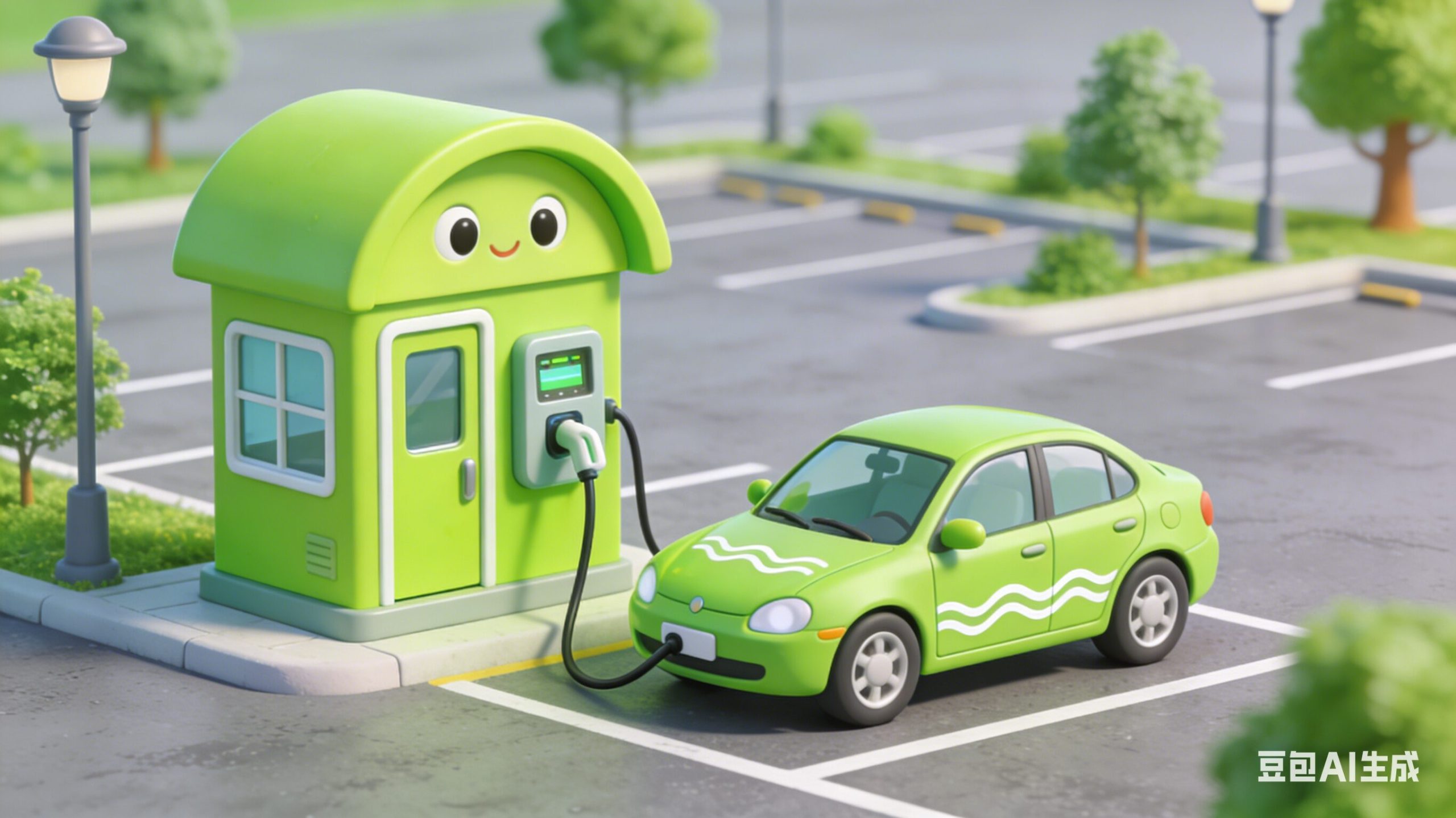
Public EV Charging in the UK: Reliability, Access, Property Strategy, and Practical Etiquette
A professional, customer-focused guide for drivers, tenants, landlords, and site owners
The UK EV charging ecosystem has expanded rapidly, but real-world user experience depends on reliability, access models, property cooperation, and correct charger selection. This post addresses the most common and commercially relevant questions from EV drivers and property stakeholders, with practical guidance rather than marketing claims.
1. How reliable are public EV chargers in the UK?
UK public charger reliability has improved materially over the past 2–3 years, but it is still uneven by network, location, and charger type.
What works well
- Large motorway and trunk-road hubs (motorway service areas, major retail parks)
- Newer-generation DC fast chargers with remote monitoring
- Networks that control both hardware and software end-to-end
Where issues still occur
- Older AC posts in residential streets
- Single-unit rural chargers (no redundancy)
- Sites with weak grid connections or vandalism exposure
Professional takeaway:
For trip-critical charging, drivers should plan around multi-bay DC sites, not single chargers. For local top-ups, AC chargers are adequate but less predictable.
2. Where can you find free EV chargers — and why aren’t they widespread?
Where free charging still exists
- Supermarkets and retail parks (often time-limited)
- Hotels and hospitality venues
- Some workplaces, universities, and councils
- Car dealerships and destination attractions
Why free charging is limited
- Electricity and maintenance costs are no longer trivial
- Abuse and long dwell times reduce customer turnover
- VAT, metering, and reporting obligations apply once energy is sold at scale
- Many sites now use “free with conditions” (e.g., parking validation, time caps)
Reality check:
Free charging is a marketing tool, not a scalable infrastructure model—unlike fuel retail, electricity margins are thin and operational costs persist.
3. What is the purpose of the outlet on an EV charger?
The outlet (or socket) exists to:
- Deliver controlled AC or DC power to the vehicle
- Enable communication and safety interlocks (vehicle authentication, fault detection)
- Support user flexibility (especially with untethered chargers where drivers bring their own cable)
In untethered UK chargers, the socket allows:
- Cleaner installations
- Reduced cable theft or wear
- Future connector flexibility
4. Can the Easee One EV charger be installed outdoors?
Yes. The Easee One is designed for outdoor installation when installed correctly.
Key requirements
- Weather-rated enclosure (IP-rated)
- Correct RCD/RCBO protection
- Proper cable glands and sealing
- Installation by a qualified electrician following UK regulations
Outdoor installation is common in driveways and communal parking areas.
5. Have fast-food chains considered EV chargers in their car parks?
Yes—and many already have.
Why fast-food locations make sense
- Predictable 20–40 minute dwell time
- High-traffic, urban and suburban sites
- Existing utilities, lighting, and security
Why not every location has chargers
- Grid upgrade costs
- Parking layout constraints
- Franchise vs corporate ownership complexity
- ROI uncertainty at low utilisation sites
The trend is toward selective deployment, not blanket rollout.
6. What should you do if someone blocks a fast charger after finishing charging?
This is a growing operational issue.
Best-practice response
- Check whether the network enforces idle fees (many do)
- Notify site staff or use the charger app’s reporting function
- Avoid confrontation; blocking is often ignorance, not malice
- If charging is complete and idle fees apply, the issue usually self-resolves
Policy insight:
Idle fees and signage are more effective than enforcement or conflict.
7. How should you care for and maintain your EV charger?
Whether home or commercial, good maintenance improves safety and longevity.
Core practices
- Visually inspect cables and connectors regularly
- Keep connectors clean and dry
- Avoid tightly coiling cables when warm
- Ensure firmware updates are applied (for smart chargers)
- Test RCD/RCBO protection periodically
Most charger failures are mechanical or environmental, not electronic.
8. Types of EV chargers, power ratings, and compatible vehicles
AC chargers (home & destination)
- 3.6–7.4 kW: Standard UK single-phase homes
- 11 kW / 22 kW: Three-phase supply (vehicle-dependent)
Used by most passenger EVs for overnight or destination charging.
DC fast chargers (public)
- 50 kW: Urban and legacy fast chargers
- 100–150 kW: Mainstream rapid charging
- 250–350 kW: Ultra-rapid (vehicle acceptance varies)
Vehicle charging speed is always limited by the vehicle’s onboard or DC acceptance capability, not just the charger rating.
9. How should tenants negotiate with landlords about EV chargers?
Effective negotiation strategy
- Frame charging as a property upgrade, not a personal request
- Propose cost-neutral or shared-cost models
- Suggest scalable solutions (conduit now, chargers later)
- Reference future-proofing and tenant retention benefits
- Highlight available grants or tax incentives where applicable
Landlords respond best to structured proposals, not informal requests.
10. Addressing claims of “conspiracy” around EVs and infrastructure
Claims that EVs exist to justify highways, reduce mass transit, or reshape urban design oversimplify a complex reality.
What is actually happening
- Governments are responding to emissions targets and air-quality regulations
- Automakers are adapting to regulatory and market pressure
- EV charging infrastructure often complements, not replaces, transit
- Many cities invest simultaneously in EVs, buses, rail, and cycling
EVs are not a replacement for mass transit—they are a parallel decarbonisation pathway for private transport.
Final professional perspective
The UK EV charging ecosystem is functional but still maturing. Success—for drivers, landlords, or site hosts—depends on:
- Choosing the right charger type for the use case
- Understanding reliability differences between locations
- Managing shared infrastructure with clear rules and technology
- Treating EV charging as infrastructure, not a gadget