
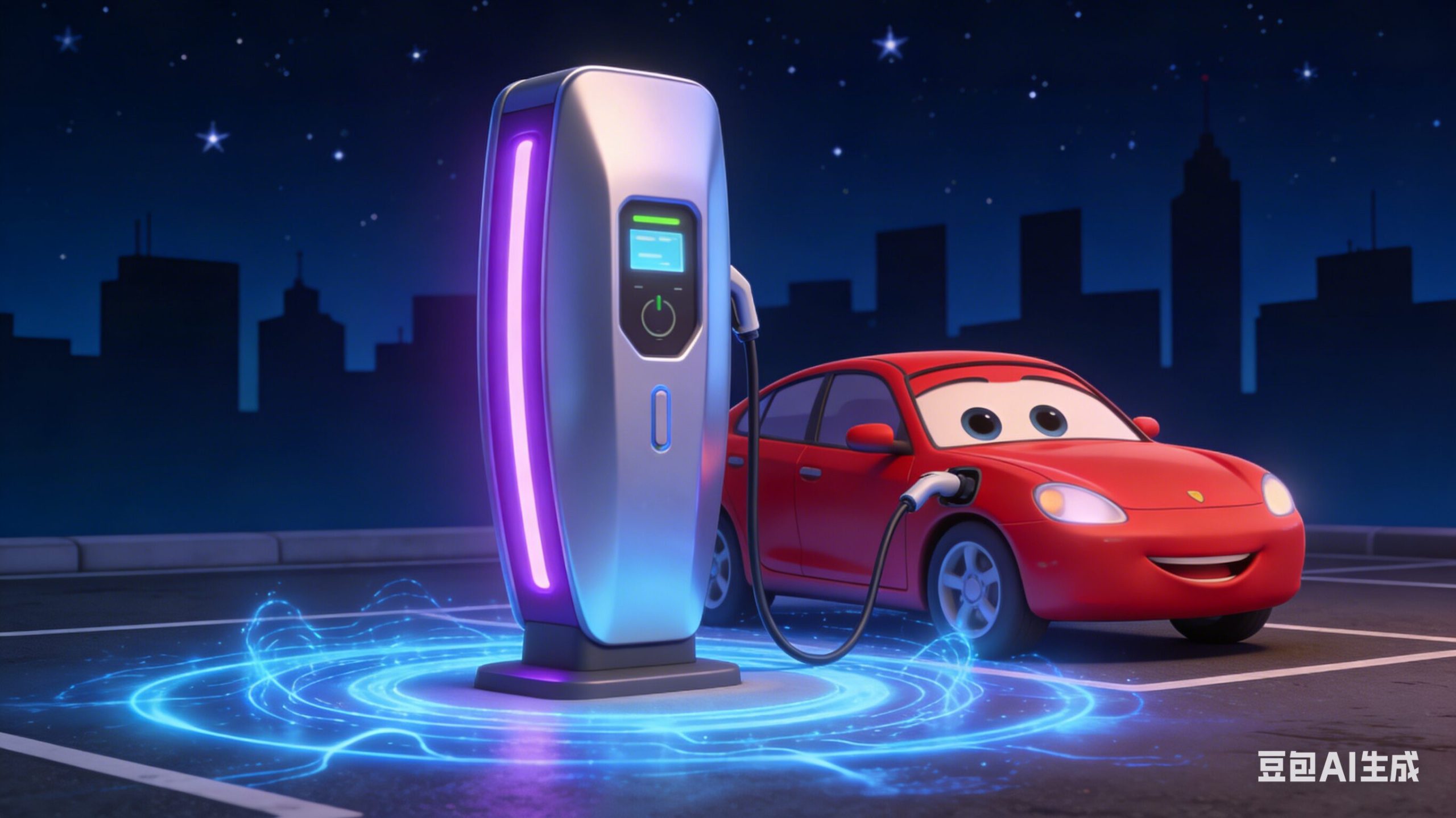
Here is a clear, professional summary of the PwC report on the U.S. electric vehicle charging market—suitable for academic, industry, or business research writing:
A detailed analysis by PwC projects substantial expansion in the U.S. electric vehicle charging market through the end of the decade and beyond. The study highlights both infrastructure scale-up requirements and market value implications that accompany mass EV adoption.
According to PwC’s analysis, the number of EV charge points in the United States is expected to grow from approximately 4 million today to around 35 million by 2030. This near-tenfold increase reflects the anticipated surge in electric vehicle registrations and the consequential demand for accessible charging availability across residential, workplace, and public sectors. The forecasted growth underscores the need for comprehensive infrastructure planning that addresses both localized charging near homes and high-traffic “on-the-go” charging corridors. (PwC)
In terms of economic scale, PwC estimates the U.S. EV supply equipment (EVSE) market could reach approximately USD 100 billion by 2040, expanding from an estimated USD 7 billion base today. The projected compound annual growth rate (CAGR) for this expansion is approximately 15% through 2040, reflecting the long-term demand trajectory for EV charging infrastructure and related services. (PwC)
The projected charging point increase is closely tied to the anticipated growth in EV ownership. PwC estimates that the number of electric vehicles on U.S. roads could reach 27 million by 2030 and 92 million by 2040, assuming current adoption trends continue. The need for charging infrastructure to scale in proportion with EV adoption highlights the interdependence between vehicle electrification and public/private investment in EVSE deployment. (PwC)
PwC identifies four primary value pools within the EV charging ecosystem:
The analysis forecasts that CPOs will account for the bulk of market value over time, increasing their revenue share from roughly 50% today to approximately 65% by 2040. This shift reflects the growing importance of recurring revenue from charging operations, network services, and integrated solutions over one-time hardware sales. Hardware providers’ share of the total value pool is expected to contract, decreasing from about 46% today to an estimated 35% by 2030 and 20% by 2040. (PwC)
PwC identifies the “at-work” and “on-the-go” charging segments as potentially the fastest-growing through 2030, reflecting evolving usage patterns where drivers charge beyond residential settings, including workplace parking and highway/urban intermediate locations. This trend underscores the need for diversified charging infrastructure models that support longer travel behaviors and commercial mobility requirements. (PwC)
PwC. The US electric vehicle charging market could grow nearly tenfold by 2030: How will we get there? Available at: https://www.pwc.com/us/en/industries/industrial-products/library/electric-vehicle-charging-market-growth.html (PwC)
Lorem Ipsum is simply dummy text of the printing and typesetting industry
2026 Rivian R2 & R3 Home Charging Guide: Everything You Need to Know Affiliate Disclosure: EVChargerExperts is supported by its...
# 2026 Rivian R2 & R3 Home Charging Guide: Everything You Need to Know *Affiliate Disclosure: EVChargerExperts is supported by...
*Affiliate Disclosure: EVChargerExperts is supported by its audience. When you buy through links on our site, we may earn an...




