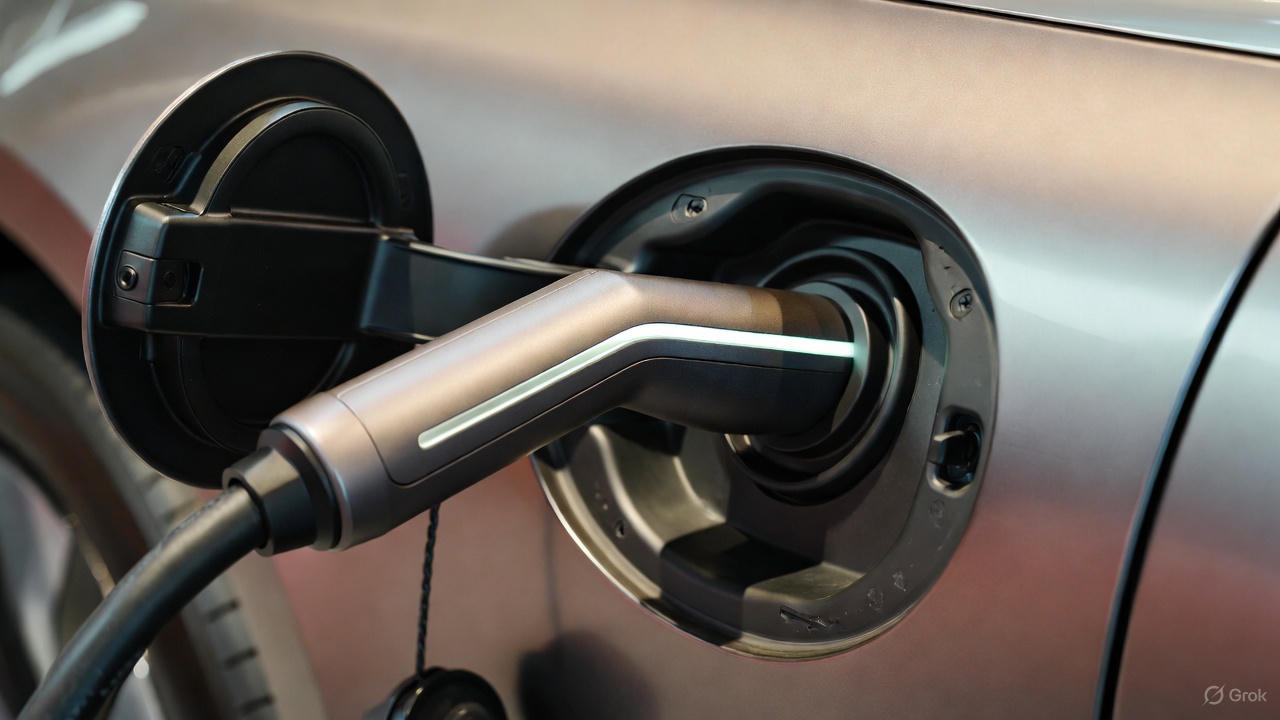
Electric vehicle chargers are generally divided into three main categories:
Each type differs in charging speed, electrical requirements, and where it is typically used.
The most common EV charger is Level 1. It plugs directly into a standard 110–120V household outlet and is often included with the purchase of a new electric vehicle.
Level 1 charging is best suited for drivers with light daily mileage and long overnight parking periods.
No. In North America, electric vehicles generally follow two primary charging connector systems:
Level 1 and Level 2 charging typically use NACS or J1772 connectors, while DC fast charging uses NACS or CCS depending on the vehicle. Approved adapters may allow cross-compatibility.
Type 1 chargers, also known as J1772, use single-phase AC power and are common in North America. They typically support charging speeds up to approximately 7 kW.
Type 2 chargers support single-phase or three-phase power and are standard in Europe. When paired with suitable electrical infrastructure, they can deliver significantly higher AC charging power.
The cost of installing a 240V (Level 2) EV charger varies depending on your location and the complexity of the installation.
Cost factors may include:
These installation costs are separate from the charger itself and from ongoing electricity expenses.
Yes. A NEMA 14-50 outlet is a common 240V receptacle used for high-power appliances and is widely supported by Level 2 EV chargers.
When installed correctly, it allows plug-in Level 2 charging without hardwiring the unit.
EV chargers—often referred to as Electric Vehicle Supply Equipment (EVSE)—play a critical role in daily EV ownership. For drivers transitioning from gasoline vehicles, charging terminology and connector types can feel confusing at first.
Level 1 charging stations are the simplest option and offer the slowest charging speeds. They use standard 110–120V AC power and require no special installation.
Typical performance:
Level 2 chargers operate on 220–240V power and provide a major speed improvement over Level 1.
Installation options include:
Level 2 charging can add well over 150–200 miles of range overnight for many EVs, depending on vehicle capability and electrical configuration.
DC fast chargers bypass the vehicle’s onboard charger by delivering direct current (DC) straight to the battery. This enables much faster charging compared to AC charging.
These stations are typically found in public locations such as highways, shopping centers, and commercial hubs due to their high power requirements.
Frequent DC fast charging may contribute to increased battery wear over time, so it is best used strategically rather than as a daily charging solution.
Portable chargers provide flexibility for drivers who travel frequently or lack access to fixed charging locations.
Portable units are commonly available in both Level 1 and Level 2 configurations, allowing charging from standard household outlets or higher-power 240V outlets when available.
Home charging is the preferred method for most EV owners, offering convenience, predictable costs, and overnight replenishment.
Home chargers may be:
Before installing a hardwired charger, homeowners should consult a licensed electrician to confirm panel capacity and local code requirements.
Key takeaway: The best EV charger is not always the fastest—it is the one that matches your driving habits, electrical infrastructure, and long-term needs.
Lorem Ipsum is simply dummy text of the printing and typesetting industry
2026 Rivian R2 & R3 Home Charging Guide: Everything You Need to Know Affiliate Disclosure: EVChargerExperts is supported by its...
# 2026 Rivian R2 & R3 Home Charging Guide: Everything You Need to Know *Affiliate Disclosure: EVChargerExperts is supported by...
*Affiliate Disclosure: EVChargerExperts is supported by its audience. When you buy through links on our site, we may earn an...




