
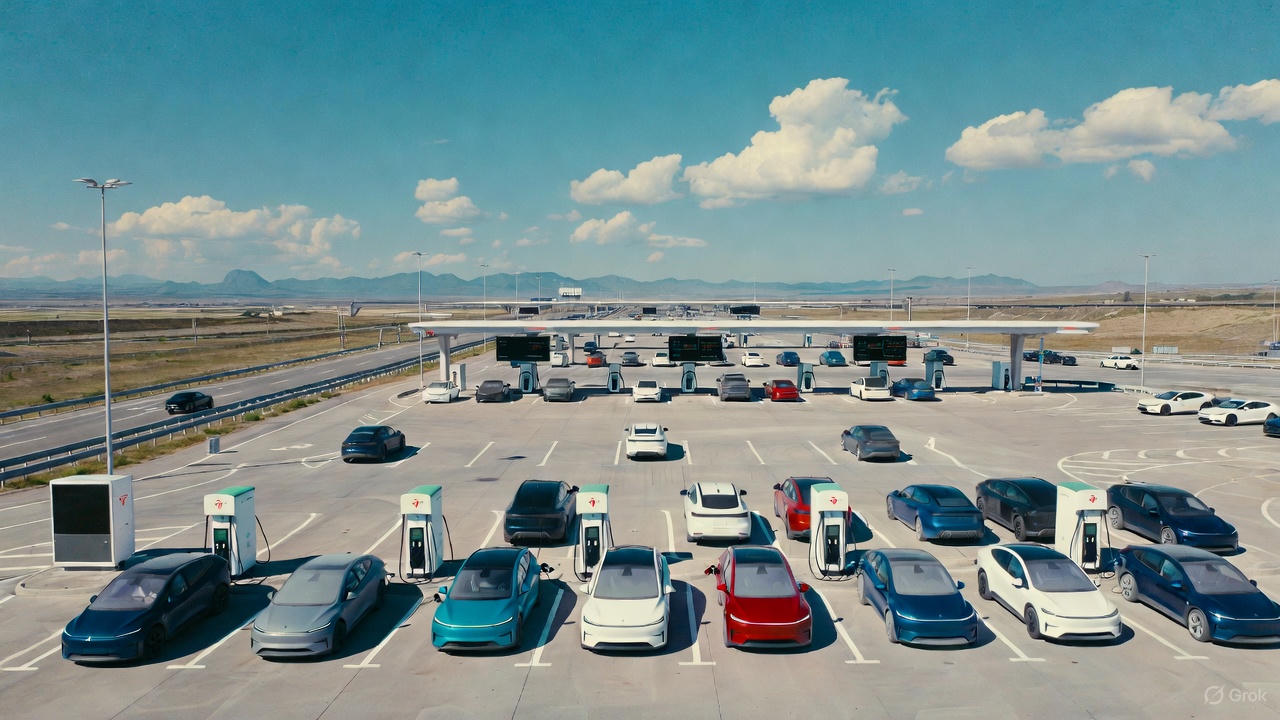
Level 2 EV chargers are widely available through online retailers, EV-focused specialty stores, electrical supply distributors, and directly from charger manufacturers.
When purchasing, make sure the charger meets U.S. electrical standards and is compatible with your vehicle and installation plans.
Choosing a Level 2 EV charger depends on several factors, including your daily driving habits, electrical capacity, and installation preferences.
Installing a Level 2 charger usually requires a dedicated 240V electrical circuit connected to your home’s electrical panel.
Because this involves high-voltage electrical work, installation by a licensed electrician is strongly recommended to ensure safety, code compliance, and proper permitting.
Most Level 2 EV chargers designed for residential use are built to handle outdoor or garage environments when installed correctly.
Safety depends on proper mounting, weather-rated equipment, and compliance with local electrical codes. Always follow manufacturer guidelines and avoid damaged cables or connectors.
Level 2 chargers require a 240V power supply. Electrical requirements vary based on charger output but generally include:
Installation costs vary widely depending on your home’s electrical setup, distance from the panel, and whether upgrades are required.
Simple installations may cost several hundred dollars, while projects requiring panel upgrades or long wiring runs can cost significantly more.
Common residential Level 2 chargers operate between 16 and 48 amps.
The usable charging speed is limited by the lowest rating among the charger, circuit breaker, wiring, and the vehicle’s onboard charger.
Yes. Most U.S. jurisdictions require permits and inspections for Level 2 EV charger installations.
Regulations are enforced by the local Authority Having Jurisdiction (AHJ) and may include electrical codes, mounting requirements, and safety clearances.
Tesla vehicles can use Level 2 chargers designed for the appropriate connector standard or compatible adapters.
When selecting a charger for a Tesla, consider charging speed, installation type, and compatibility with your vehicle’s charging hardware.
Level 2 chargers typically add between 20 and 40 miles of driving range per hour, depending on the charger’s power output and the vehicle’s efficiency.
Rebates and incentives may be available through federal, state, local, or utility programs.
Incentive availability and eligibility requirements change over time, so it’s important to verify current programs through official government or utility sources.
Lorem Ipsum is simply dummy text of the printing and typesetting industry
2026 Rivian R2 & R3 Home Charging Guide: Everything You Need to Know Affiliate Disclosure: EVChargerExperts is supported by its...
# 2026 Rivian R2 & R3 Home Charging Guide: Everything You Need to Know *Affiliate Disclosure: EVChargerExperts is supported by...
*Affiliate Disclosure: EVChargerExperts is supported by its audience. When you buy through links on our site, we may earn an...




